
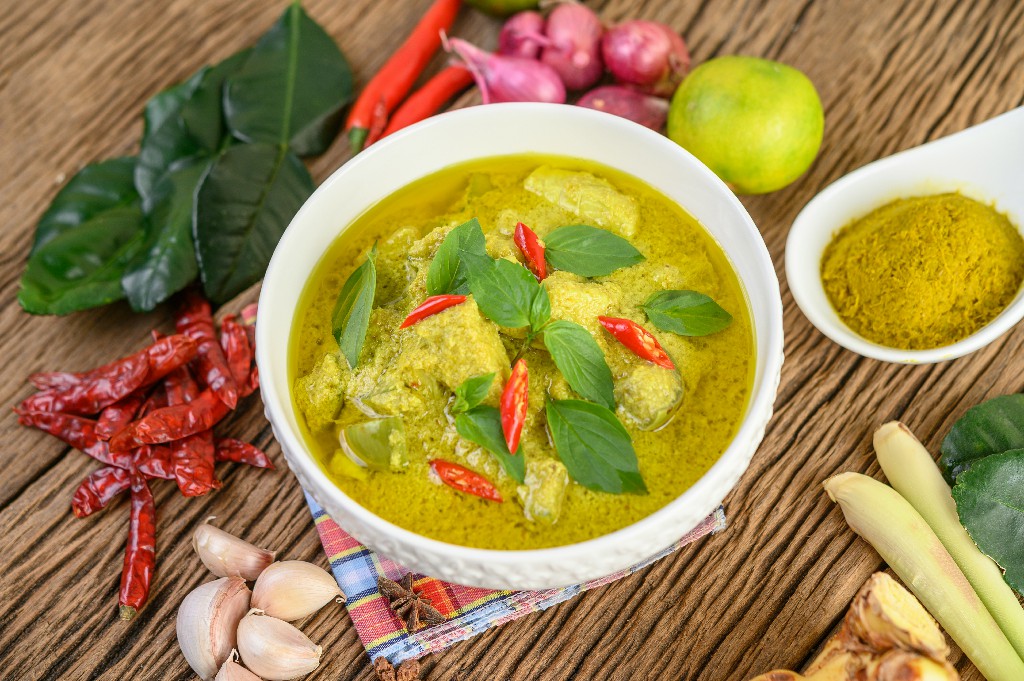
The Global History of Curry
“Curry is a global culinary concept shaped by centuries of trade, culture, and regional spices.”
The history of curry dates back thousands of years to South Asia, where spices were blended to create complex and flavorful dishes. Through ancient trade routes, colonization, and cultural exchange, curry traveled across Asia, Africa, Europe, and beyond.
Rather than a single dish or spice, curry evolved differently in each region, adapting to local ingredients, climate, and culinary traditions. This evolution transformed curry into one of the most diverse flavor profiles in the world.
What Is Curry?
“Curry refers to a broad category of dishes and spice blends characterized by layered spices and rich flavor.”
Curry is not one specific recipe. It can refer to:
- A spice blend (such as curry powder)
- A sauced dish
- A cooking style using multiple spices
The defining feature of curry is its complex combination of spices, which creates depth, warmth, and aroma.
Curry in South Asia
“South Asia is the birthplace of curry, where spices are used fresh, layered, and regionally distinct.”
In India, Pakistan, Sri Lanka, and Bangladesh, curry varies widely by region. Spices such as turmeric, cumin, coriander, cardamom, cloves, and chili are used in different proportions.
Curries may be dry or saucy, mild or spicy, vegetarian or meat-based. Masala blends are often freshly ground, making South Asian curry deeply aromatic and complex.
Curry in Southeast Asia
“Southeast Asian curries are known for their bold aromas, coconut richness, and fresh herbs.”
Countries such as Thailand, Indonesia, Malaysia, and Vietnam developed curry styles influenced by local herbs and tropical ingredients.
Common features include:
- Coconut milk for richness
- Lemongrass, galangal, and kaffir lime leaves
- Fresh chili pastes
These curries tend to be vibrant, fragrant, and well-balanced between spicy, sweet, salty, and sour flavors.
Curry in East Asia
“East Asian curry is milder, slightly sweet, and adapted to local tastes.”
Japanese curry, for example, was influenced by British interpretations of Indian curry. It is thick, mildly spiced, and often served with rice or breaded meats.
In China and Korea, curry is less traditional but still widely used in fusion and modern dishes, often adapted for subtle heat and comfort-style meals.
Curry in the Middle East and Africa
“Curry in the Middle East and Africa reflects ancient spice trade routes and local traditions.”
In the Middle East, curry blends incorporate warming spices such as cumin, coriander, cinnamon, and cloves.
In East Africa, especially in regions influenced by Indian traders, curries are aromatic and often combined with coconut milk and local chilies, creating unique regional flavors.
Curry in Europe and the Western World
“Curry in the West evolved through colonization, migration, and culinary adaptation.”
Curry powder became popular in Europe as a convenient blend inspired by Indian spices. Today, curry flavors are widely used in sauces, ready meals, snacks, and seasoning blends across Western cuisines.
Modern Western curries often focus on balanced spice, mild heat, and versatility for mass consumption.
Benefits of Curry
“Curry delivers rich flavor while offering functional and culinary benefits.”
Enhances Depth and Complexity
Multiple spices create layered flavors that elevate simple ingredients.
Natural Color and Aroma
Turmeric and other spices provide natural color and fragrance.
Supports Balanced Eating
Many curry spices contain natural compounds traditionally valued in culinary culture.
Versatile Across Cuisines
Curry adapts easily to meat, seafood, vegetable, and plant-based dishes.
Uses of Curry Around the World
“Curry is one of the most versatile flavor profiles in global cuisine.”
Curry is used in:
- Stews and sauced dishes
- Marinades and rubs
- Soups and noodles
- Ready-to-cook and ready-to-eat meals
- Snack seasonings and spice blends
Curry in the Modern Food Industry
“Curry has become a key global flavor in food manufacturing and export markets.”
Today, curry flavors are widely used in food processing, horeca, and packaged foods. Available as curry powder, curry paste, or customized spice blends, curry meets the demand for bold, global flavors with consistent quality.
Conclusion
“Curry is not a single flavor, but a world of spices shaped by culture and history.”
From South Asia to Southeast Asia, from Africa to Europe, curry continues to evolve while maintaining its core identity—rich spices, deep aroma, and endless versatility.