
Spec
Origin : Indonesia
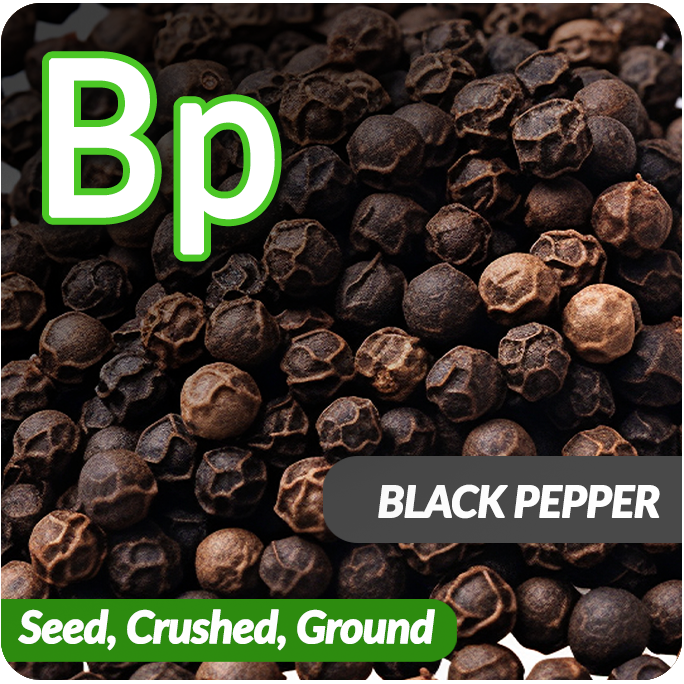
Botanical Name : Piper Nigrum
Composition : Black Pepper Seeds
Color : Black
Moisture Content : Max 14%
Shelf Life : 12 Months
Loadability : 20 FCL
Package : Carton Packing
*For more detailed specifications,
please feel free to contact us.
Packaging






Black Pepper
Black pepper, originating from southern India, boasts a history steeped in cultivation and trade spanning over 3,500 years. The significant cultural exchange initiated by Alexander the Great’s journey to India in the 4th century BCE brought black pepper to the attention of Europe along newly established trade routes. Rapidly earning high value, this spice became a pivotal commodity, with Arab traders monopolizing its transportation to Europe. As the Middle Ages unfolded, black peppercorns transcended their culinary status to also serve as a symbol of prestige, gaining recognition as a form of currency.
The exploration era ignited a fervent quest to control the source of this prized spice. In the late 15th century, Portuguese explorer Vasco de Gama embarked on a mission to discover and dominate the origin of black pepper. His journey led to the momentous discovery of a sea route to southwest India in 1498. This pivotal find granted Portugal a century-long dominance over the black pepper trade, fundamentally altering global spice dynamics.
The 17th century marked a turning point as the Portuguese relinquished their monopoly to the Dutch. In turn, the Dutch controlled the spice trade for a period before ceding power to Britain in the 18th century. This shift was aligned with the broader expansion of the British Empire’s influence, which extended to the tropical regions where these spices thrived. Through these historical transitions, black pepper remained a catalyst for exploration, commerce, and geopolitical maneuvering, serving as a powerful symbol of wealth, cultural exchange, and global connectivity.
Flavor: Black pepper has a robust and sharp flavor with a hint of heat. It is known for its pungency, which comes from the active compound piperine. The flavor of black pepper is versatile, adding depth and complexity to both savory and sweet dishes.
Taste: When consumed, black pepper delivers a bold and peppery taste with a slight spiciness. Its taste can range from mildly warm to moderately hot, depending on the variety and how it is used in cooking.
Aroma: Black pepper has a strong and aromatic scent that is both sharp and woody. The aroma becomes more pronounced when the peppercorns are freshly ground, releasing the full bouquet of volatile oils.
Culinary Spice: Black pepper is one of the most widely used spices in the world, valued for its sharp, pungent flavor and mild heat. It is commonly used in cuisines such as European, American, Indian, Chinese, and Southeast Asian cooking to enhance savory dishes including meats, vegetables, soups, and sauces.
Seasoning and Finishing: Ground or freshly cracked black pepper is frequently used as a finishing seasoning to add aroma and subtle spiciness to dishes such as pasta, salads, eggs, and grilled foods. It pairs well with salt as a fundamental seasoning combination.
Spice Blends: Black pepper is an essential component in many spice blends such as garam masala, steak seasoning, barbecue rubs, and seasoning mixes. It adds depth, warmth, and complexity to spice formulations.
Marinades and Rubs: Black pepper is commonly used in marinades, dry rubs, and brines for meats, poultry, and seafood. It enhances flavor penetration and contributes mild heat without overpowering other spices.
Pickling and Preserving: Whole black peppercorns are often included in pickling mixtures for vegetables, eggs, and meats. They contribute a subtle spicy note and aromatic quality to preserved foods.
Infused Oils and Sauces: Black pepper can be infused into oils, vinegars, and sauces to create flavored condiments. Pepper-infused olive oil and creamy pepper sauces are widely used in cooking and food service.
Garnish and Visual Appeal: Coarsely ground or cracked black pepper is used as a garnish to provide texture, visual contrast, and a burst of flavor on finished dishes such as steaks, soups, and salads.
