
Spec
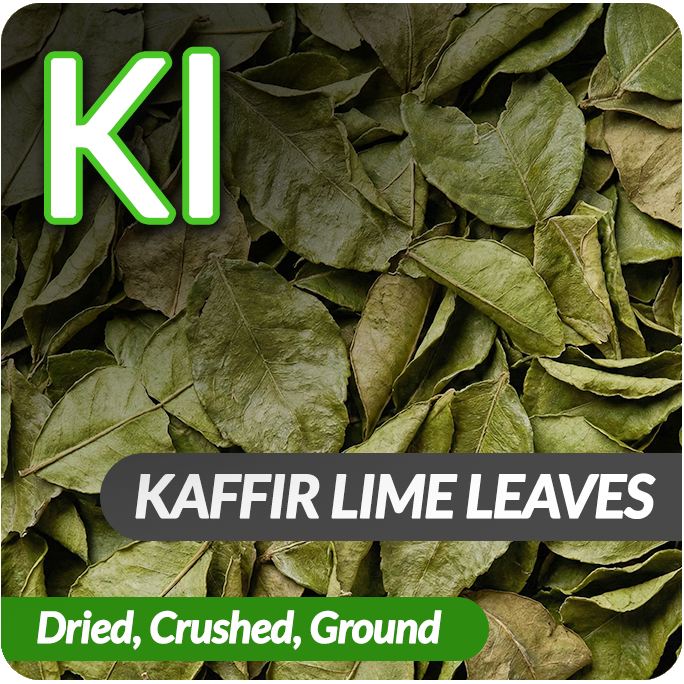
Origin : Indonesia
Botanical Name : Citrus hystrix D.C
Composition : Kaffir Lime Leaves
Color : Green
Moisture Content : Max 10%
Shelf Life : 12 Months
Loadability : 20 FCL
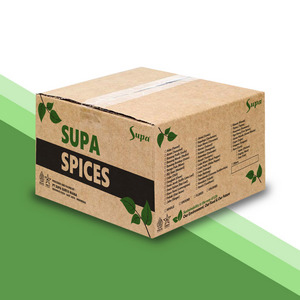
Package : Carton Packing
*For more detailed specifications,
please feel free to contact us.
Packaging




Kaffir Lime Leaves
The introduction of kaffir lime leaves to Asian cuisine marks an important development in the region’s aromatic culinary traditions. Native to Southeast Asia, kaffir lime (Citrus hystrix) has long been cultivated for its intensely fragrant leaves and distinctive citrus aroma. Over time, kaffir lime leaves became a defining ingredient in many Asian kitchens, valued for their ability to enhance dishes with fresh, bright, and slightly floral notes.
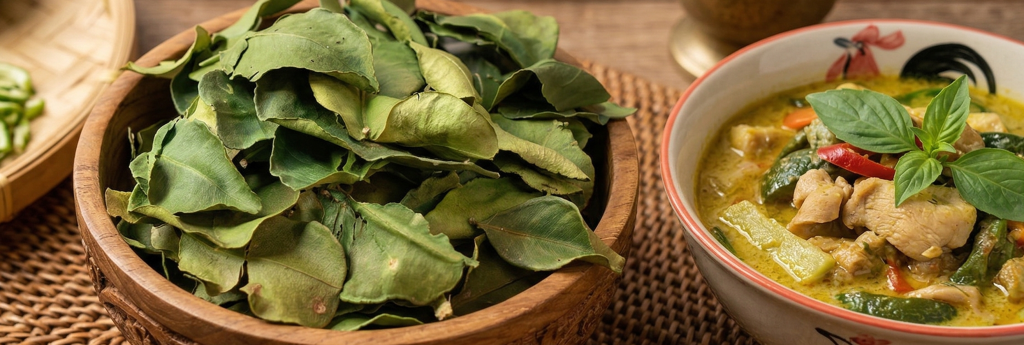
In Thailand, kaffir lime leaves are a fundamental element of traditional cooking, commonly used in famous dishes such as Tom Yum soup and green curry. The leaves are typically torn or finely sliced to release their aromatic oils, contributing a refreshing citrus fragrance that balances spicy, sour, and savory flavors. Thai cuisine relies heavily on kaffir lime leaves to create its signature vibrant taste profile.
In Indonesia, kaffir lime leaves, locally known as daun jeruk, are widely used in various regional dishes including rendang, soto, and sambal. Their unique aroma enhances rich and spicy foods, providing a fresh contrast that elevates the overall flavor complexity. Indonesian cuisine often combines kaffir lime leaves with other spices such as lemongrass, galangal, and turmeric to create layered and harmonious flavors.
In Malaysia and Vietnam, kaffir lime leaves are also appreciated for their ability to add depth and brightness to soups, curries, and stir-fries. The leaves are sometimes used whole and removed before serving, or finely shredded to integrate fully into the dish. Their versatility makes them suitable for both traditional and modern culinary applications.
The widespread use of kaffir lime leaves in Asian cooking reflects the region’s appreciation for aromatic herbs and balanced flavors. Their distinctive citrus fragrance has become an essential component of Southeast Asian gastronomy, contributing freshness and complexity to a diverse range of dishes. Today, kaffir lime leaves continue to play a significant role in shaping the identity of Asian cuisine and are increasingly recognized worldwide for their unique culinary value.
Flavor: Kaffir lime leaves have a distinct and citrusy flavor with strong notes of lemon and lime. The flavor is intense and refreshing, adding a bright and zesty essence to dishes.
Taste: When used in cooking, kaffir lime leaves impart a tangy and slightly bitter taste. The taste is bold and pungent, with a pronounced citrus punch.
Aroma: Kaffir lime leaves have a potent and aromatic scent that is both citrusy and herbal. The aroma is vibrant and uplifting, infusing the dishes with its delightful fragrance.
Culinary Ingredient: Kaffir lime leaves are used as a flavoring agent in various Southeast Asian dishes. They are added to curries, soups, stir-fries, and sauces to infuse them with their distinctive citrusy and herbal flavor.
Aromatics: Kaffir lime leaves are used as aromatics in cooking. They are often bruised or torn before adding to dishes to release their aromatic oils and enhance the overall fragrance of the food.
Rice and Noodle Dishes: Kaffir lime leaves are added to rice and noodle dishes to impart a subtle citrusy taste and add complexity to the flavors.
Herbal Tea: Kaffir lime leaves can be used to make herbal tea, either on their own or combined with other herbs. The tea is enjoyed for its refreshing and uplifting qualities.
Culinary Garnish: Kaffir lime leaves are used as a decorative garnish in Southeast Asian dishes. The vibrant green leaves add an appealing touch to the presentation of the food.
